Blog
3D printing guides · page 2
Practical articles on 3D printers, filaments, slicer settings and fixing failed prints — from the team behind the QALAM 3D printers in Kot Addu.
· 7 min read
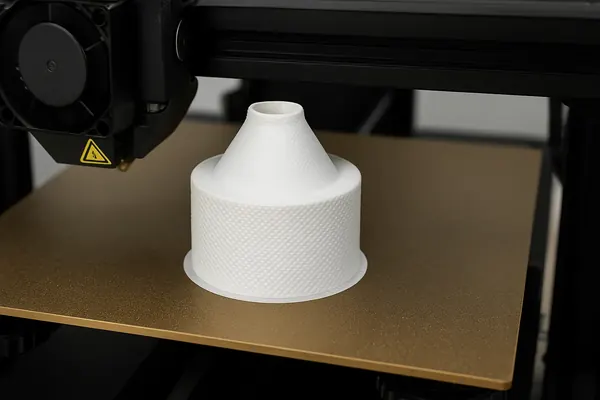
Guide to Using Textured PEI Sheets for High-Quality Prints
When it comes to reliable bed adhesion and a beautiful surface finish, few build surfaces compare to textured PEI (Polyetherimide) sheets. These…
· 7 min read
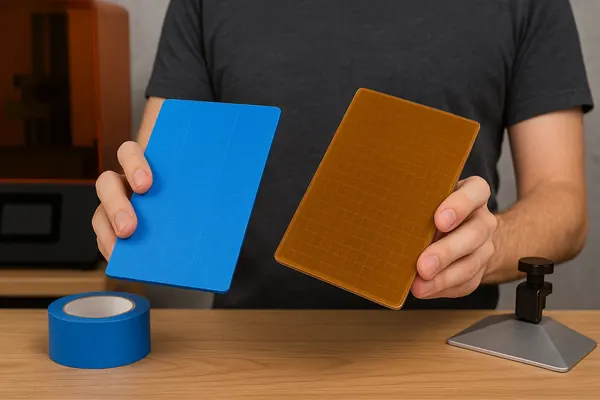
Can You Use Painter’s Tape or Kapton Tape on Any Build Plate?
When it comes to improving bed adhesion in 3D printing, two traditional solutions often stand out: painter’s tape and Kapton tape . These time-tested…
· 8 min read
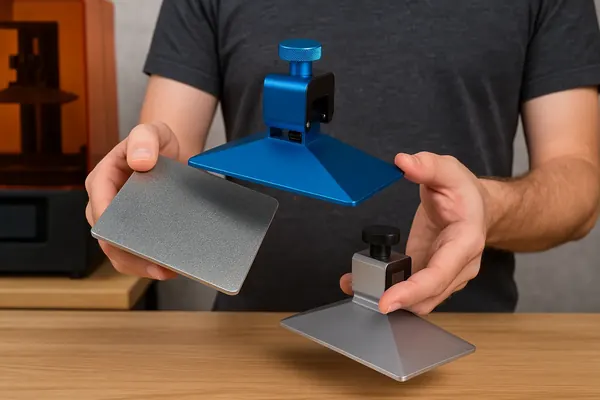
How to Choose the Right Build Plate for Resin Printing
Choosing the right build plate for resin printing is critical to achieving successful prints, reducing print failures, and improving long-term reliability.
· 7 min read
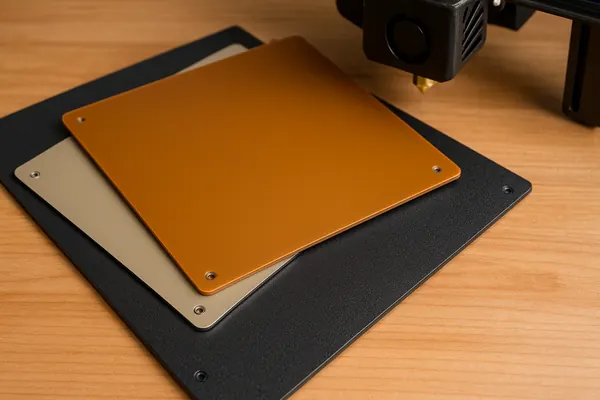
Build Plate Coatings Explained: PEI, Powder-Coated, and Beyond
A successful 3D print begins with a strong foundation, and that foundation starts with your build plate. But it’s not just the bed itself that matters—what…
· 8 min read
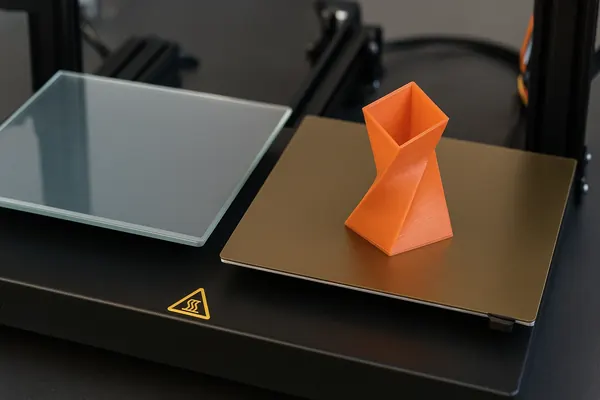
Glass vs Spring Steel Build Plates for High-Temperature Printing
When printing with high-temperature filaments like ABS, Nylon, and Polycarbonate, the build plate you choose can significantly impact print quality…
· 7 min read
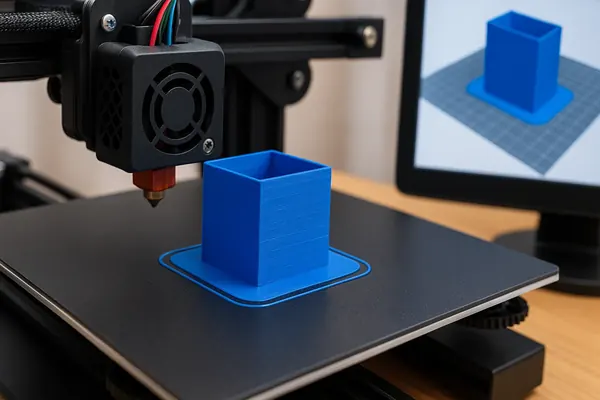
How to Use Build Plate Adhesion Settings in Your Slicer
The first layer of a 3D print is the most important—if it fails, the entire print likely will too. Along with bed temperature, leveling, and surface prep…
· 8 min read
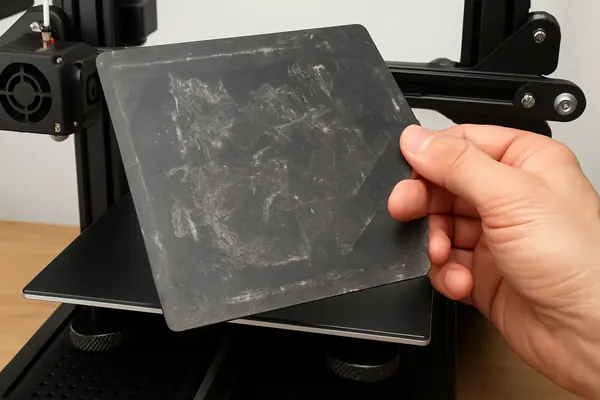
Signs Your Build Plate Needs Maintenance or Replacement
In 3D printing, the build plate is more than just a surface—it’s the foundation of every print. A level, clean, and functional bed ensures good first-layer…
· 5 min read
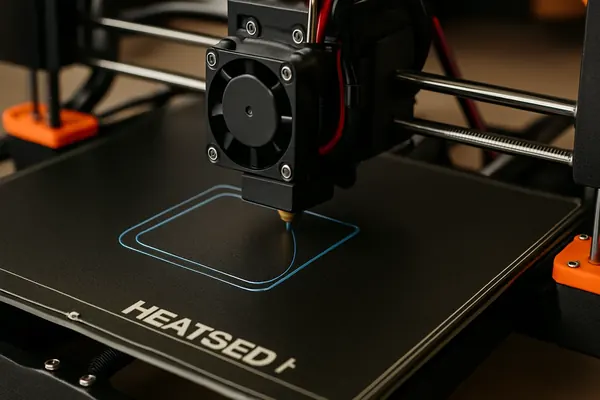
Best Heated Beds for Consistent First Layer Adhesion
Achieving a strong, clean first layer is the foundation of every successful 3D print . Whether you are printing PLA, PETG, ABS, Nylon, or advanced…
· 4 min read
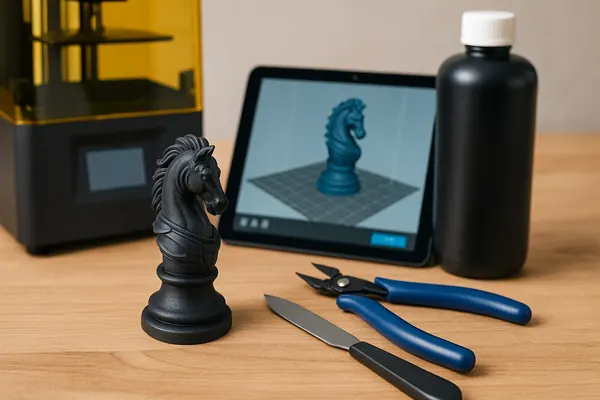
What Are the Best Slicers for Resin 3D Printing?
When it comes to resin 3D printing , your slicer software is just as important as your printer and resin. A good slicer determines print quality, success…
· 5 min read
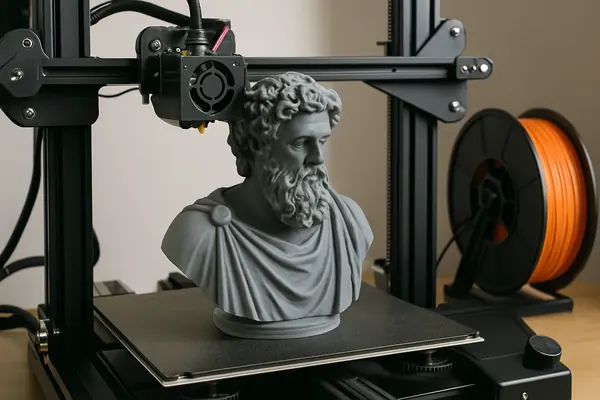
How to 3D Print Large Models Without Cracking or Warping
Printing large 3D models is a rewarding challenge. Whether creating cosplay armor, sculptures, industrial prototypes, or functional parts, large prints push…
· 5 min read
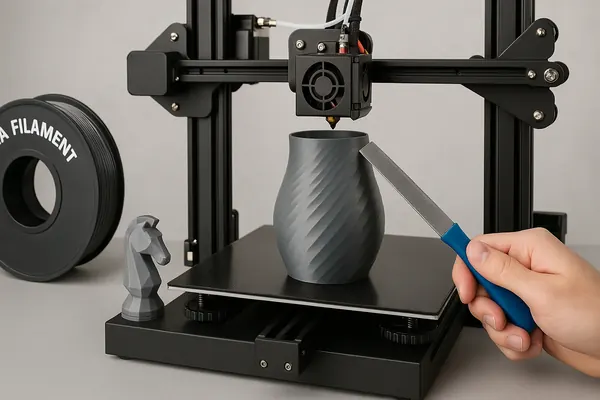
Top 5 Ways to Improve Surface Finish on FDM Prints
Achieving a smooth, professional surface finish is one of the biggest challenges in Fused Deposition Modeling (FDM) 3D printing. Despite improvements in…

· 6 min read
How to Easily Fix Resin Prints That Won’t Cure Properly
Resin 3D printing can create stunningly detailed parts, but curing issues can quickly turn a beautiful model into a sticky, unusable mess. If your resin…
· 5 min read
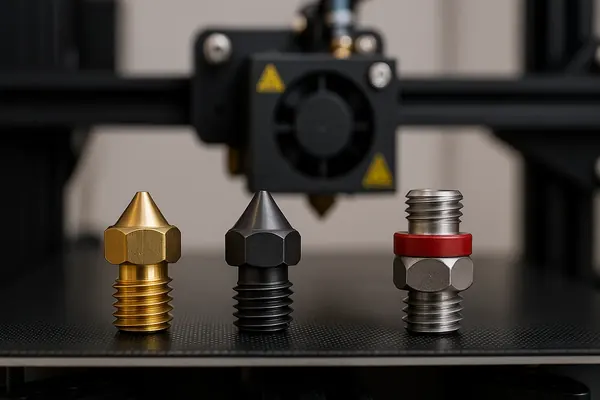
What Are the Best Nozzle Upgrades for High-Speed 3D Printing?
High-speed 3D printing demands more than just a fast printer. One of the most critical components influencing print quality and success at high speeds is…
· 5 min read
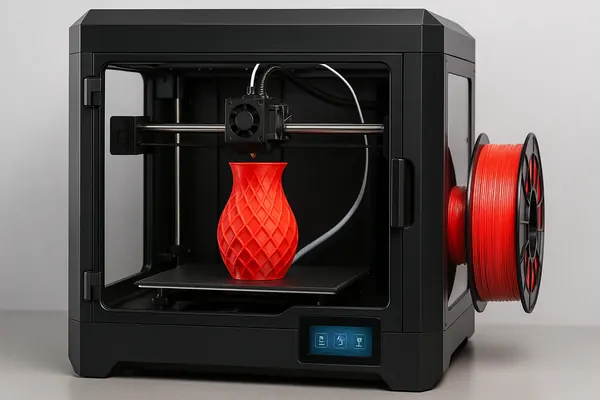
Best Enclosed 3D Printers for ABS Printing
Printing with ABS (Acrylonitrile Butadiene Styrene) offers several key benefits: superior heat resistance, mechanical strength, and better machinability…
· 4 min read
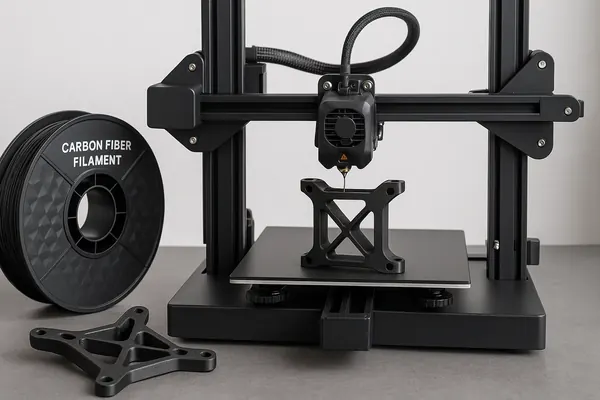
Top 7 3D Printers That Support Carbon Fiber Filaments
Carbon fiber-infused filaments offer incredible benefits for 3D printing: They’re stronger, stiffer, lighter, and more heat-resistant than standard…
· 5 min read
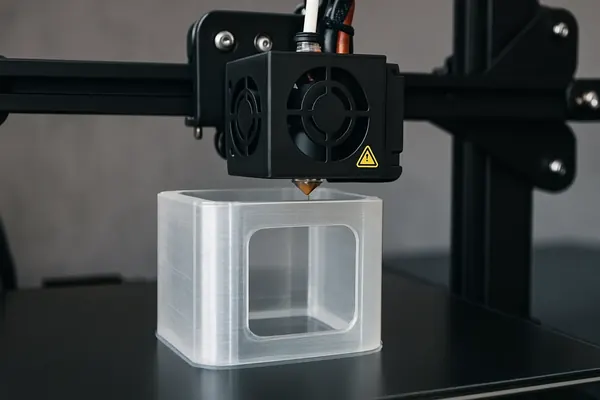
How to 3D Print Polycarbonate Like a Pro (Complete Guide)
Polycarbonate (PC) is one of the strongest, toughest, and most heat-resistant materials available for 3D printing. It offers outstanding mechanical…
· 4 min read
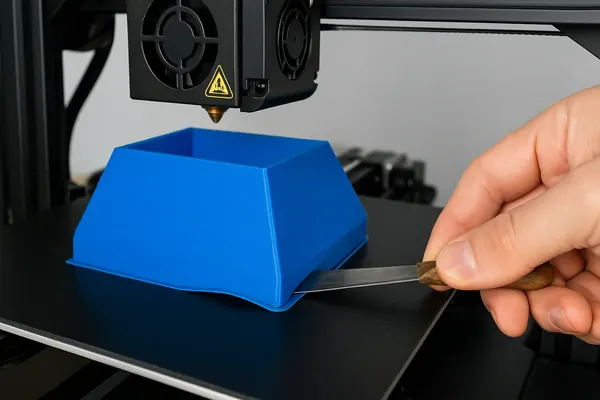
Easy Ways to Fix Warping in 3D Printing (Step-by-Step Guide)
Warping is one of the most common and frustrating issues in 3D printing. It happens when the base of your print lifts off the bed , leading to crooked…
· 4 min read
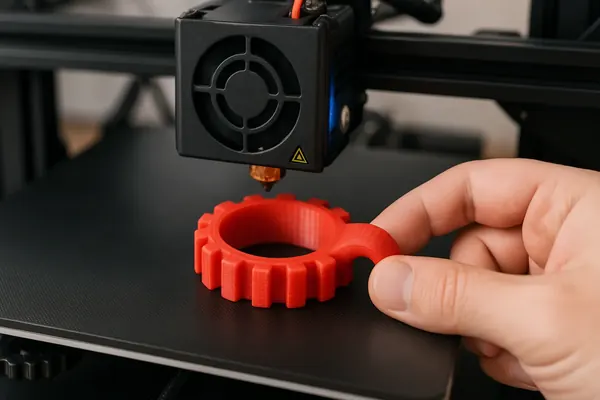
How to 3D Print Flexible TPU Parts Without Stringing
TPU (Thermoplastic Polyurethane) is one of the most exciting 3D printing materials—strong, flexible, durable, and perfect for making phone cases, seals…
· 6 min read
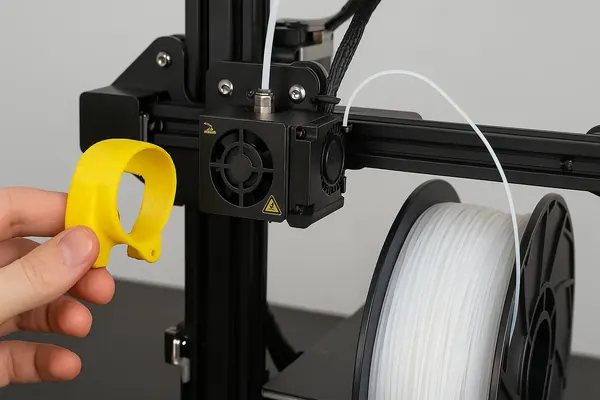
How to Upgrade an Ender 3 to Print Nylon Successfully
Nylon is one of the most durable, flexible, and resilient materials available for 3D printing. However, it is also one of the most challenging to work with…
· 4 min read
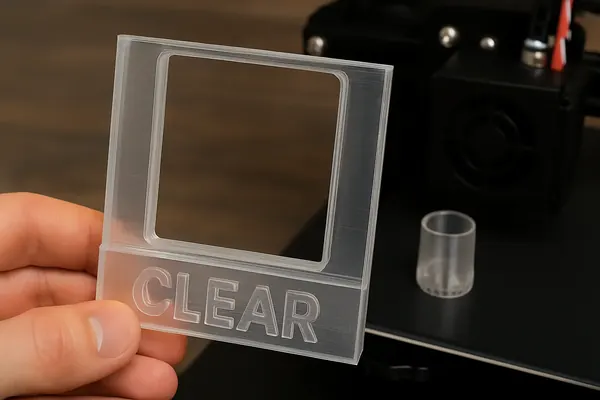
How to 3D Print Transparent Parts With No Yellow Tint
Producing clear, transparent parts using 3D printing is highly sought after for applications like light covers, artistic models, and mechanical prototypes.
· 6 min read
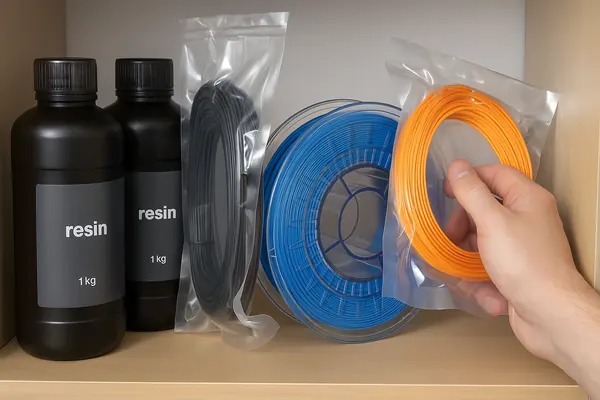
How to Properly Store Resin and Filament to Avoid Failures
Successful 3D printing begins long before the first layer is laid down. Improper storage of resin and filament can lead to poor quality prints, failed jobs…
· 3 min read
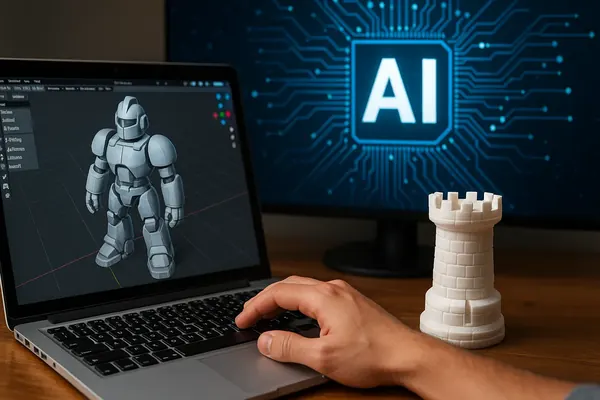
Best AI Tools for Designing 3D Printable Models in 2025
Artificial intelligence has revolutionized the 3D modeling landscape, offering faster, smarter, and more intuitive design workflows. In 2025, AI tools are…
· 6 min read
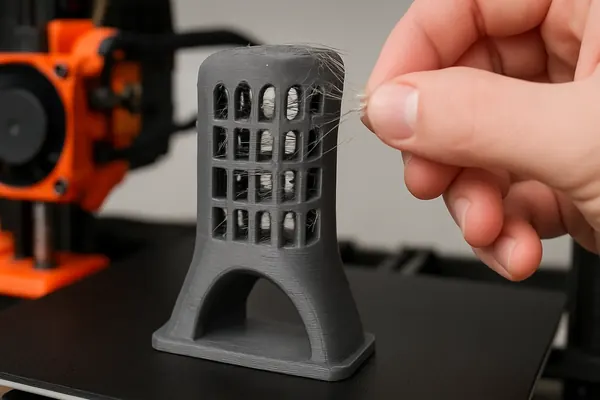
Best Way to Remove Stringing in TPU Prints
Flexible filaments like TPU (Thermoplastic Polyurethane) are amazing for printing durable, bendable parts. However, one of the most common problems when…
· 5 min read
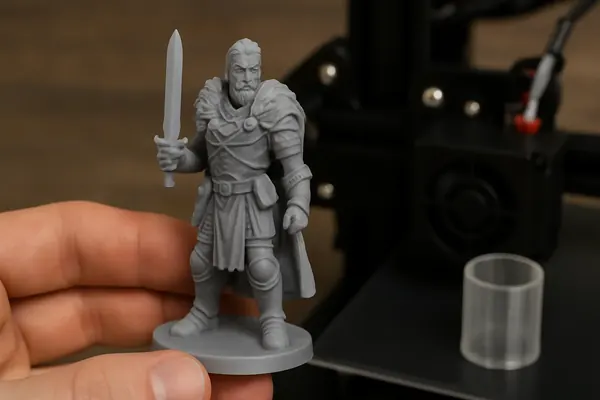
Best Settings to Print Miniatures with Maximum Detail
Printing miniatures is one of the most rewarding yet challenging aspects of 3D printing. To achieve maximum detail, users must fine-tune their printer…